

In today’s world, where electric vehicles, HVAC systems, and countless smart devices are rapidly driving up power demand, understanding electricity units is no longer just an engineer’s concern. For businesses, industrial facilities, and large commercial users, knowing what a megawatt really means can directly impact capital planning, operational savings, and long-term sustainability goals.
When we talk about large scale of electricity or Commercial farm Solar Battery System , we will find a long string of numbers with many zeros, for shortening the number length, all these zeros wiill be replace by the battery unit term MW,which represent megawatt entirely, So in this article we will breakdown in details .

What Exactly is a Megawatt (MW)
A megawatt (MW) is a unit of electrical power equal to one million watts. For a farmer running a solar farm, understanding MW is crucial—it measures how much solar power your system can produce under ideal conditions. One MW of solar capacity can generate roughly 1,200 to 1,500 megawatt-hours (MWh) per year, depending on sunlight availability, enough to power around 200 homes.
For agricultural landowners, investing in a solar farm means converting unused or low-yield fields into a steady income source. A 1 MW solar array typically requires 4–5 acres, making it a space-efficient “crop.” By tracking MW output, farmers can estimate energy sales, lease revenue, or on-farm savings, turning sunlight into a reliable, long-term asset.
How Many Solar Panels Does It Take to generate 1 Megawatt?
For a solar farm, generating 1 megawatt (MW) typically requires 2,000–2,500 solar panels, depending on panel wattage. Most modern panels range from 400W to 500W, so higher-efficiency models mean fewer panels per MW. As a farmer, this translates to 4–5 acres of land for a 1 MW array. Fewer panels reduce installation costs, while maximizing sunlight capture ensures steady income from power sales or leases—making solar a smart, low-maintenance “crop.”
How Large is a 1 MW Solar Farm in Land Area?
A 1 MW solar farm typically requires 4–7 acres of land, depending on panel efficiency, spacing, and site conditions. As a farmer, you’d need to factor in:
- Panel layout (fixed tilt vs. tracking systems, which need more space)
- Terrain and shading (flat, unshaded land maximizes output)
- Access roads and maintenance space
Since 1 MW produces ~1,200–1,500 MWh/year, choosing the right land ensures strong returns—whether through energy sales, leases, or offsetting farm electricity costs. Solar lets you turn marginal land into passive income.
How to Store 1 MWh of Energy For Farming Owner?
As a farm owner looking to store 1 MWh of energy, you have a few practical options:
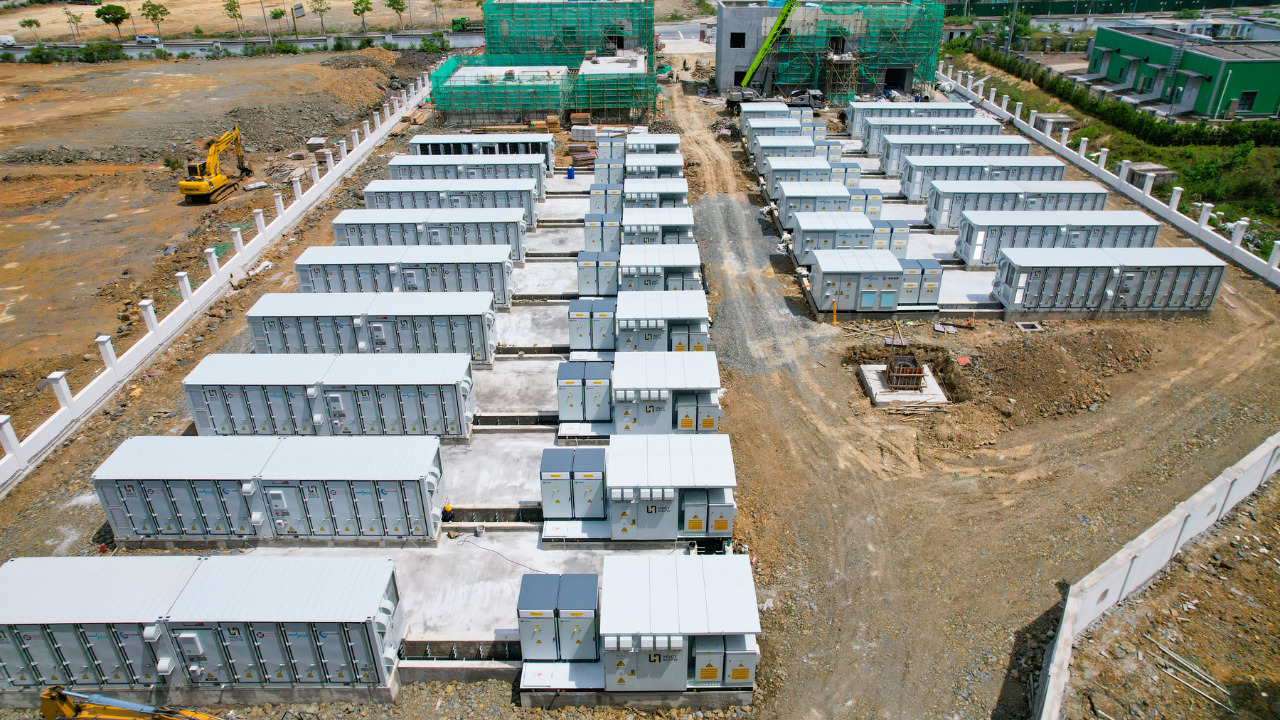
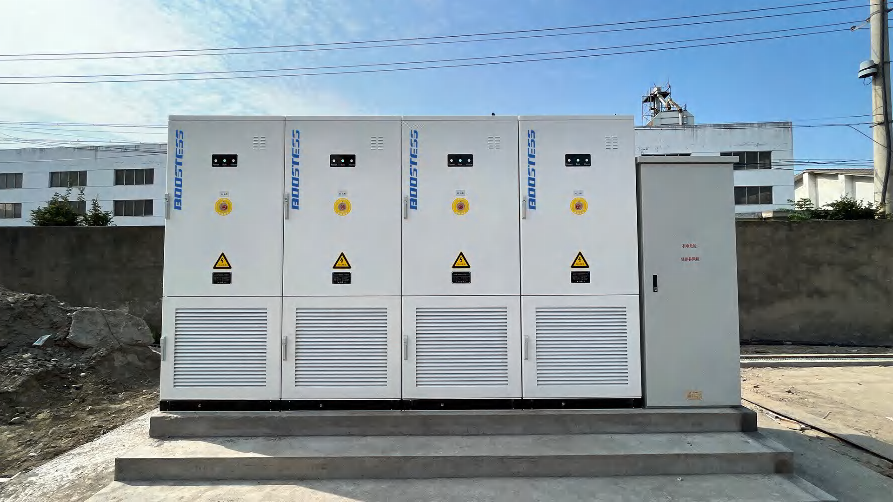
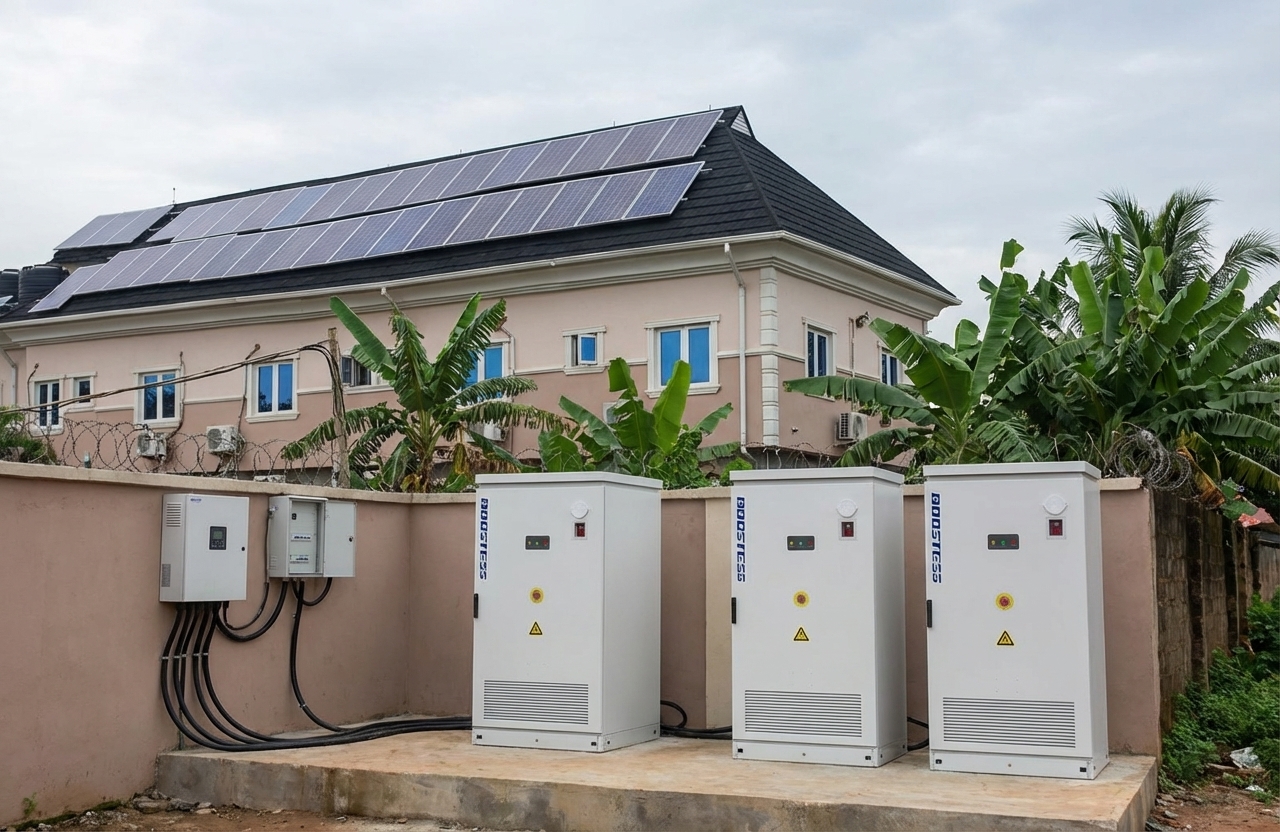
Battery Storage – A ~1 MWh lithium-ion battery system (like Tesla Megapack or similar) fits in a small footprint and provides reliable backup power for irrigation, cooling, or equipment. Costs are dropping, and incentives may apply.
- Water Pumping (Gravity Storage) – Use excess solar power to pump water uphill into a storage pond, then release it through a micro-hydro turbine when needed—ideal for farms with elevation changes.
- Thermal Storage – For greenhouses or dairy operations, store heat in insulated water tanks or phase-change materials, reducing heating costs.
- Hydrogen (Future Option) – If you have extra land, experimental systems can convert solar power into hydrogen for long-term storage, though this is still emerging.
For most farmers, batteries offer the simplest solution, balancing cost and efficiency while integrating with existing solar farm systems.
How long Can 1 MWh Supply for farmhouse?
A 1 MWh energy storage system can power a typical farmhouse for about 1–2 months, depending on usage. Here’s the breakdown:
Average farmhouse consumes 20–30 kWh/day (lights, appliances, water pumps, etc.).
1 MWh = 1,000 kWh, so it could support ~33–50 days of normal household use**.
For agricultural operations, the same 1 MWh could:
Run a 5 HP irrigation pump for ~10–15 hours.
Power electric fencing for months.
Keep milking machines or cooling systems running for days during outages.
With solar + storage, farmers gain energy independence—backing up homes and critical farm equipment when the grid fails.
What’s the difference between MW vs. MWh
Think of MW (megawatts) like your tractor’s horsepower—it’s the raw power your solar farm can produce at any instant under full sun. A 5 MW solar array is like having a 300-HP tractor ready to work. But MWh (megawatt-hours) is what actually gets the job done—it’s the total energy produced over time, like how many acres you can plow in a day. For example, your 5 MW solar farm might generate 8,000 MWh per year—enough to power 800 homes or run your irrigation pumps all season. Utilities pay for MWh (energy delivered), while MW determines your system’s size and upfront costs. Simply put: MW is your solar farm’s muscle, MWh is its paycheck.

In Conclusion
1 MW reflects solar farm capacity (4-7 acres, 2000-2500 panels), while 1 MWh represents actual energy output (storable for 1-2 months’ farm use). MW defines scale, MWh determines revenue – key metrics for agrivoltaic success
If you’re planning a solar + storage project or seeking to flatten your electricity bills, BOOSTESS can help model the ideal configuration tailored to your farm project — whether that’s peak shaving, backup, or market participation.

 English
  Romanian
  Polish
  German
  Spanish
  Ukrainian
  Hungarian
  Albanian
  French
  Portuguese
  Italian
  Bulgarian
  Croatian
  Czech
Czech  Lithuanian
  Latvian