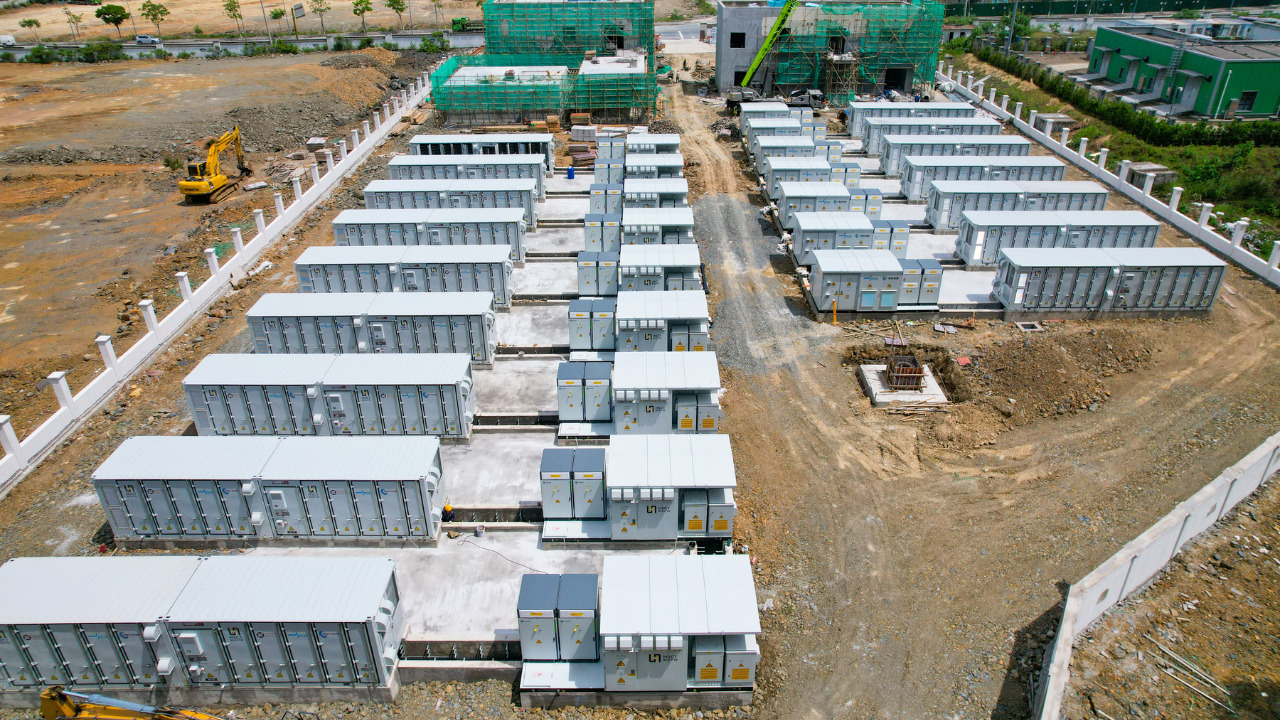
2.17MWh Liquid-Cooled BESS Container
Utility| Liquid-Cooling | LFP Battery


Product Introduction
The BOOSTESS 2.17MWh BESS container integrates LFP battery storage for commercial, industrial and microgrid projects. Its hybrid cooling system uses liquid cooling for the batteries and air cooling for the PCS. Review the published datasheet for electrical ratings and operating conditions. Project suitability, solar integration and potential savings depend on site loads, tariffs and the final system design.
Why Choose liquid-cooled BESS Container 2.17MWh
- Hybrid Cooling System:
Dual cooling system design, liquid cooling for battery side, air cooling for PCS side, maximize system efficiency - All-in-One Design:
all-in design of PCS, EMS , BMS ,cooling system, fire protection system that deliver greater battery capacity within smaller footprint. - String-Based Solution:
Each battery cluster works independently, ensuring higher efficiency and system stability. - Pre-installation:
Pre-tested and pre-installed container before delivery, enabling easy transportation, simple commissioning, and
shorter lead time.
Anatomy of BOOSTESS Battery Storage Container
This 20ft liquid cooling BESS container has energy capacity of 2.17MWh, providing a robust external structure, ensuring weatherproof protection in IP 55 ingress rate. Inside the enclosure, the battery pack racks securely house the power strings. The inverter cabinets manage and convert power , while the dedicated inverter cooling and HVAC systems maintain optimal thermal conditions, guaranteeing durability and reliable operation in harsh environments for mining and off-grid island applications.
ISO Container
Battery Rack:High-capacity LFP battery pack, providing backup power and energy storage functions.
Control Cabinet: Intelligent system control center, featuring PLC controllers and user interface.
Inverter Cabinets
Input Cabinet
HVAC System
Inverter Cooling System
Power String
What are the main components of BESS container?
- LFP battery pack in rack mount in parallel , they are basic units that make up a BESS. The battery modules are the cells where, through electrochemical reactions, the charging and discharging of electricity takes place.
- HVAC system, shorted by Heating , Ventilation, Air Conditioning system, which can regulate the internal environment to make the battery always work in an optimal internal temperature and humidity , ensuring battery performance, extended cycle life,
- Three Phase Inverter Cabinet, convert DC power from solar panels into AC power for use or the grid, store excess energy in the battery, and then convert the battery’s DC power back to AC when needed, such as during grid outages.
- ISO container,a standardized, robust steel frame used as the housing for a Battery Energy Storage System (BESS),ensuring they are uniform in size and structural performance.
- power string, which is a group of battery modules in series to achieve the required system voltage.
- Inverter Cooling system, that can protect the PCS and inverter from overheating.
- Input Cabinet
- Control Cabinet
- PCS for current bidirection conversion between AC to DC and viceverse.
- BMS for Controling charge and discharge status, monitoring temperature and ensuring safe and efficient system operation
- Fire Suppression, which is a protection layer inside BESS to prevent BESS system from runaway.
Features
All-In-One Integration
Cloud Remote Monitoring
Hybrid Cooling System
Robust Environment Protection
String-Based Solution
Recommened Applications
Microgrid System for Commercial Building
This liquid cooling BESS container is designed for commercial building microgrid system. The all in one design with high energy density offer stable ,efficient energy storage to balance peak demand and reduce grid reliance. It provide with both on grid and off grid modes to realize mille second switch between on and off-grid for a fast eletricity response and reliable power supply.
For mining projects, the 2.17MWh liquid-cooled BESS can be integrated with solar PV and diesel generation to manage load changes and store energy. The required storage capacity, reserve power and generator operating strategy depend on the site load profile and reliability requirements. Our team can assess a hybrid system design using your project data; diesel displacement and fuel savings must be evaluated for the specific site.
Diesel Genset for Mining
Spec
DC Side
| Cell Type | LFP 314Ah |
| PACK | 48.23kWh / 1P48S |
| Battery System | 2170.3kWh / 9P240S |
| Voltage Range | 672–864Vdc |
AC Side
| Rated Power | 1000kW |
| Max. Power | 1100kW |
| THDi | ≤3% |
| DC Ratio | <0.5%Ipn |
| Nominal Voltage | 400Vac / 3P+N+PE |
| Power Factor | -1 lagging ~ 1 leading |
| Nominal Frequency | 50Hz / 60Hz |
General
| System Efficiency | ≥88% |
| Charge/Discharge Rate | 0.5P |
| DoD | 95% (25 ± 2℃) |
| Cycle Life | 8000 cycles @ 25℃, 95% DoD 0.5P |
| Communication | Ethernet / RS485 |
| Ingress Rating | IP55 |
| Cooling System | Liquid Cooled + Forced Air Cooled |
| Operating Temperature | -25℃ ~ 55℃ * |
| Humidity | 5~95% RH, non-condensing |
| Noise | ≤80dB |
| Fire Suppression System | Aerosol system (pack level and container level), water spray system |
| Dimensions (WDH) | 6058 × 2438 × 2591 mm |
| Weight | 25t |
| Compliance | UN38.3, IEC62477-1, CE/EMC, IEC62619, IEC63056, UL9540A, IEC62933, EN50549 |