

BOOSTESS VIRTUAL POWER PLANT SOLUTION FOR UTILITY APPLICATION
Why a Virtual Power Plant is important?
A Virtual Power Plant (VPP) intelligently aggregates distributed energy resources—such as batteries, rooftop solar, and controllable loads—into a single, flexible network. This enables factories, commercial parks, and utilities to balance demand and supply in real time, reduce peak electricity costs, and seamlessly integrate renewable energy. With BOOSTESS’s advanced energy storage systems and smart controllers, you can transform your facility into a revenue-generating asset by participating in grid services like demand response and frequency regulation, while enhancing your energy security and sustainability
BOOSTESS VPP BESS Product Series
BOOSTESS VPP Solutions deliver smart, grid-interactive energy storage products with power supply ranging from 20kWh to over 260kWh, designed to integrate seamlessly into virtual power plants and aggregated energy networks. Our systems enable dynamic participation in energy markets, maximize renewable utilization, balance local loads, and support grid services like frequency regulation and demand response — all while enhancing energy resilience and unlocking new revenue streams
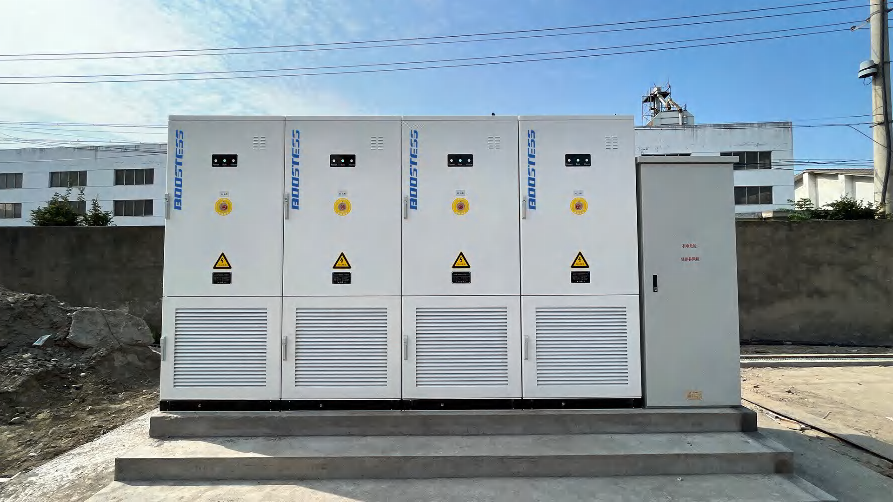
Air-Cooled Energy Cube 50kW/100kWh
PV/DG Application |IP54 Protection Degree| Outdoor &Indoor
VPP Energy Storage: Lower investment & higher returns
As Europe increasingly opens its balancing markets to renewable and aggregated resources, FCR, aFRR, and mFRR present major opportunities for flexible assets like BESS to earn revenue.
BOOSTESS optimizes the EMS and cooling system design to meet customers’ high-frequency frequency regulation needs while reducing system failure rates. Improve ROI by more than 10% compared with similar products on the market
Advantages
Ultra-Efficient Operation
Industry-leading 89% round-trip efficiency at 40℃
Ultra Response Time
fast response time up to <100ms, always be the first
Flexible Global Adaptability
FRR, aFRR, mFRR operating suits diverse regions.
Super Cooling System
optimized cooling system design for high frequency regulation requirement
Zero-Fault Design
thousands of BMUs integrated for zero fault in the first year
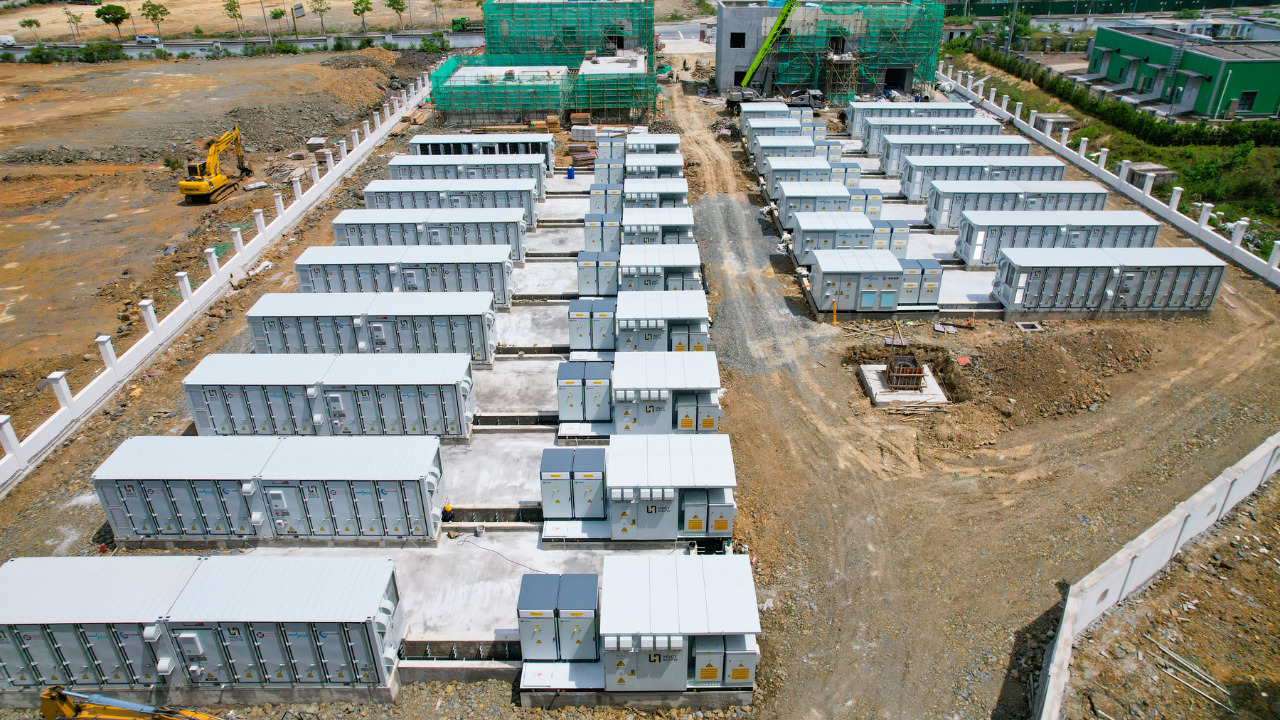
Successful BESS Projects
BESS For VPP FAQ
How quickly can your solution respond to frequency deviations, and is it fast enough for modern grid needs?
Our solution utilizes advanced power electronics enabling response times of <500 milliseconds, often within 200 ms. This exceeds typical grid requirements (e.g., NERC’s PRC-024 standard) and supports sub-second disturbances caused by renewables. Real-time monitoring ensures sustained 50Hz/60Hz stability even during rapid load shifts.
What’s the ROI for investing in grid-scale battery storage for frequency regulation?
Battery systems generate revenue through dual-layer value streams:
High-value ancillary services (e.g., Reg-Up/Reg-Down markets, paying for rapid response).
Arbitrage (storing low-cost energy for peak resale).
Typical ROI periods range from 5-8 years, accelerated by falling battery costs (↓80% since 2013) and longer asset lifespans (15+ years with degradation management).
Can your solution integrate with our legacy power plants and SCADA systems?
Yes. We use protocol-agnostic interfaces (DNP3, IEC 61850, Modbus) and API-driven middleware for seamless integration. Legacy thermal plants can be retrofitted with our AGC (Automatic Generation Control) module without replacing existing infrastructure. Compliance with IEEE 1547-2018 ensures interoperability.
How do renewables (wind/solar) participate in frequency regulation without destabilizing the grid?
Renewables contribute via:
Synthetic inertia: Wind turbines mimic rotational inertia using reserved power.
PV smart inverters: Respond to frequency dips via droop control (e.g., injecting reactive power).
Our predictive analytics forecast renewable volatility, pre-positioning reserves to prevent under-frequency events. Curtailment is minimized to <3% of total yield.
What cybersecurity measures protect your frequency control systems from attacks?
We implement:
End-to-end encryption (TLS 1.3, AES-256).
Zero-trust architecture with hardware-secured modules (HSMs).
Continuous penetration testing aligned with NERC CIP-002 to CIP-011 standards.
All data exchanges are air-gapped from public networks, with anomaly detection triggering <2-second isolation.
How do you ensure solution reliability during extreme weather or component failures?
Our design includes:
N+1 redundancy for critical components (e.g., inverters, controllers).
Black start capability via distributed storage to reboot the grid within 15 minutes.
Dynamic resilience scoring that reroutes power flows during faults. Field tests show 99.995% uptime in Category-3 hurricanes.
BOOSTESS VPP Solution – A Precise Frequency Regulation for Fast Payback
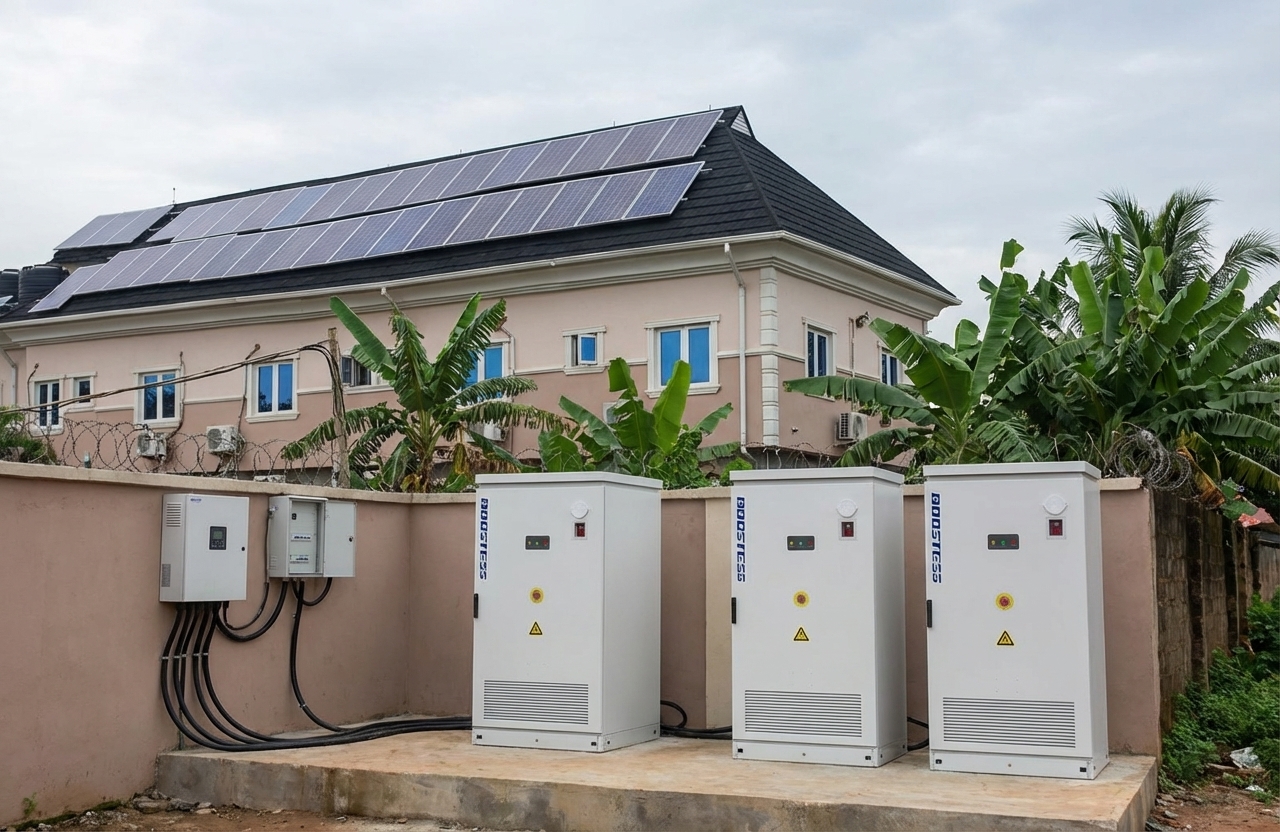
BOOSTESS VPP-focused C&I energy storage systems deliver turnkey solutions to overcome remote-site power challenges. Our all-in-one containerized ESS combines solar integration, advanced cooling, and intelligent energy management to enhance energy autonomy, cut diesel dependency, and minimize downtime.